Last updated 2026-08-19
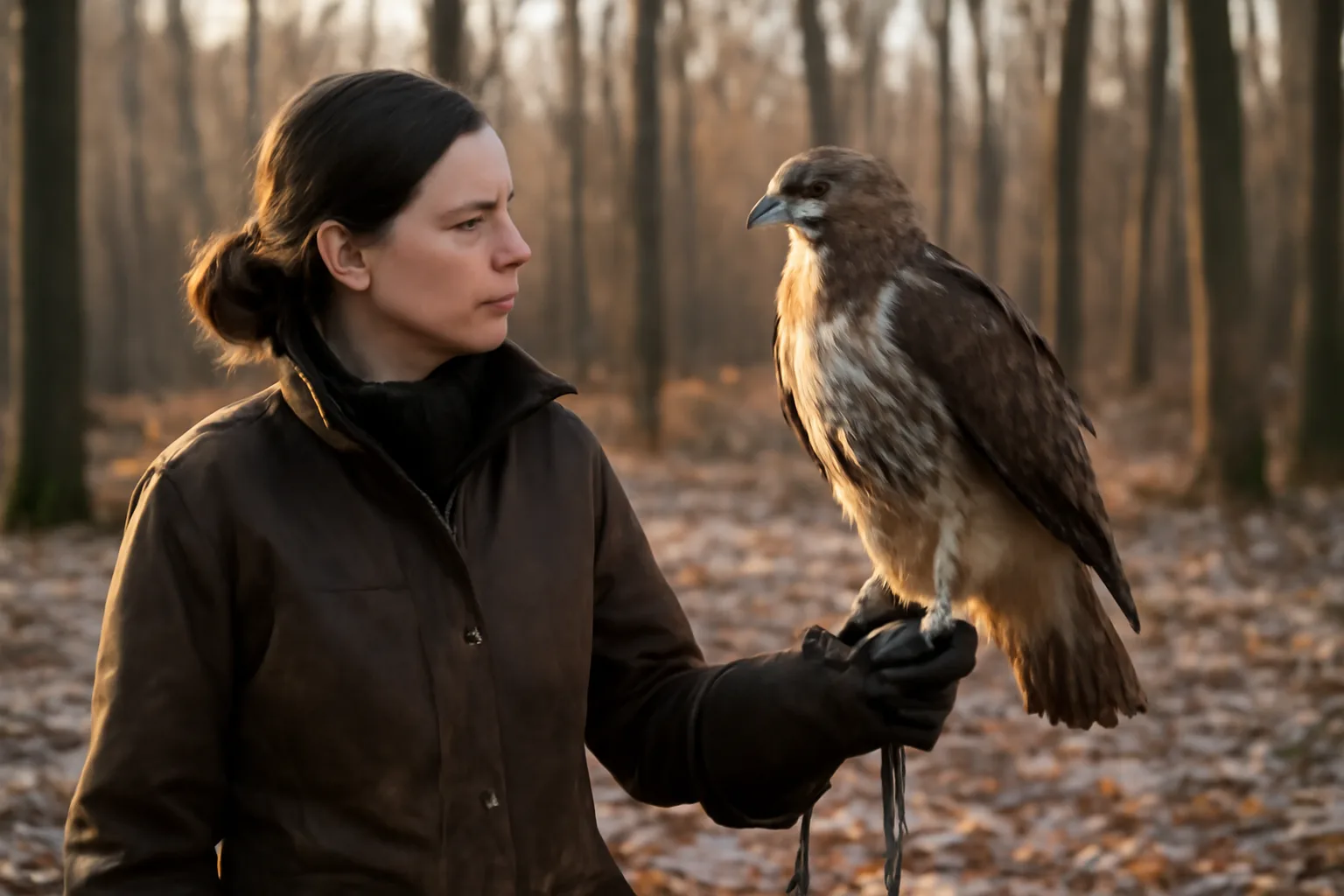
TL;DR
Connecticut falconry is legal only with a valid DEEP falconry permit that matches federal class rules. Renewal is paperwork and a still-legal mews, not a new apprenticeship, if you stay current. You also need a hunting license to hunt quarry, and every bird stays on a federal 3-186A record. Confirm the posted permit term and fee with DEEP before you mail anything. A lapse can force you to transfer birds.
What does falconry renewal in Connecticut actually cover?
Renewal is the paperwork that keeps a DEEP falconry permit alive so you can keep possessing a raptor and hunting with it. It is not a new exam if you stayed in status. It is not a new two-year wait. You still sit under federal falconry standards in 50 CFR 21.82 and under Connecticut statute and the state falconry regulations.[1][3][5]
People search this because the national story is fuzzy. The federal government stopped issuing its own falconry permit. The 2008 U.S. Fish and Wildlife Service rule said the changes "will eliminate the requirement that we issue a Federal permit for falconry."[2] Your Connecticut paper is the permit that matters.
What you actually renew is the state class permit (apprentice, general, or master). Hunting privileges sit on a different license. Birds sit on federal acquisition records. Facilities have to stay legal. That stack is the whole job.
I'd treat renewal as a calendar item, not a winter surprise. If the permit dies, the bird problem gets real fast.
If you want to see the same federal floor on another desk, read falconry renewal in Delaware and falconry renewal in California. The 50 CFR skeleton is shared. The state forms are not.
Do you need a license for falconry in Connecticut?
Yes. You need a valid Connecticut falconry permit before you possess a raptor for falconry, and you need a valid hunting license if you hunt quarry with that bird. Federal law also makes unpermitted take of migratory birds illegal. There is no hobby exception for a backyard hawk.
The Migratory Bird Treaty Act makes it unlawful "to pursue, hunt, take, capture, kill" migratory birds except as permitted by regulation.[6][9] Raptors used in falconry live in that statute. Connecticut built a state program under the wildlife statutes so DEEP can issue permits consistent with federal falconry rules.[3] The facility, class, and reporting detail sits in the Regulations of Connecticut State Agencies.[5]
Do you need that permit just to read books and watch wild hawks? No. The permit attaches when you take, possess, or hunt with a raptor for falconry. Holding a bird until the paper catches up is how people get into real trouble.
A Connecticut hunting license is a separate ticket. State hunting law is clear that you do not hunt without the license the statute requires.[4] Falconry is hunting when you slip a bird at game. Walking a passage red-tail through a marsh with only the falconry card is a bad plan.
Permits are classed. Apprentice, general, master. Federal standards set floors on time in grade, sponsors, exams, and how many birds you may hold.[1] Connecticut can write a tighter rule. Confirm current class limits with DEEP before you assume the federal maximum is yours.
How much does falconry cost in Connecticut?
The state permit fee is not the cost of falconry in Connecticut. Confirm the current DEEP falconry permit fee and hunting license fee on the posted list before you write a check, because those numbers move and I will not invent them. The real money is housing, food, veterinary care, and the miles you drive.
Federal rules require facilities that actually protect the bird.[1] A legal mews in a Connecticut winter is not a dog crate on a porch. Wood, welded wire, a roof that sheds ice, a bath pan, and a weathering area add up. Some people convert a shed. Some people overbuild. I'd spend on weatherproofing and raccoon-proofing, not on decorative stone.
Food is the meter that never stops. A hawk eats often. Frozen quail, rats, or other whole prey is the usual path. Supplier prices move with feed and fuel. Nobody has a clean Connecticut-only cost study I trust. Budget for daily feeding all year, plus waste and the extra food you burn during weight work.
Vet care is where first-year people get surprised. You need a veterinarian who will actually see a raptor. An aspergillosis workup or a fracture is not a cheap office stop. If you cannot float an emergency, you are not ready to keep a bird.
Telemetry, giant hoods, scales, and perches are real costs. Fancy telemetry can wait if the mews and the food are not solid. Used gear from a retiring falconer is often smarter than a full catalog order.
Time is a cost too. Daily handling. Weather days. Lost-bird days. I'd rather a cheap, legal setup you will use than a pretty mews you dread walking to in February.
If you want a paper checklist for the exam, sponsor letters, and mews notes, FalconryPath publishes a $149 one-time State Exam + Sponsor + Mews Kit. It does not replace DEEP, and it does not change a fee the state sets.
Hunting license products in Connecticut are posted by DEEP and have long sat far below the cost of housing a hawk. Confirm the current number on the hunting license pages before you pay.[10]
Other states post different permit prices. Falconry renewal in Florida and Falconry renewal in Colorado help if you are moving. They do not set what Hartford charges.
How long does falconry take in Connecticut?
Getting legal takes months. Staying legal at renewal takes hours if your file is clean. The long clock is the apprenticeship, not the renewal form.
Federal rules set the written falconry exam passing score at 80 percent (50 CFR 21.82).[1] The regulation says you must "correctly answer at least 80 percent of the questions."[1] Study time varies. I'd give it real evenings, not one weekend with a phone quiz.
You also need a sponsor for apprentice class, legal facilities, and a passed inspection. Connecticut is a small state with a small falconry community. Finding a sponsor who will actually pick up the phone can take longer than building the mews. I would not promise anyone a sponsor by opening day.
Federal standards require at least 2 years at apprentice class before a general class permit (50 CFR 21.82).[1] Federal standards require at least 5 years as a general falconer before master class.[1] Those are floors. DEEP can hold you longer. Confirm.
Renewal itself should be calendar work. Pull the permit. Check the expiration. Ask DEEP what form they want this cycle. File before the date, not after. I will not quote a processing time. The board does not owe you a season if you filed late.
First wild take, if you even get that chance, sits inside a season DEEP publishes in the hunting materials.[10] Miss the window and you wait a year. That's the part beginners underestimate.
What federal paper still applies when you renew in Connecticut?
The federal falconry permit is gone. The federal records are not. Every acquisition, transfer, and loss still goes on a 3-186A migratory bird acquisition and disposition report.[7]
USFWS runs that report through its electronic reporting system.[8] If your 3-186A file is a mess, fix it before you talk to DEEP about renewal. A state clerk should not be the first person to notice a bird that never got reported.
50 CFR 21.82 is still the national standard Connecticut has to meet.[1] Facilities, classes, take, and reporting sit there. The 2008 rule shifted issuance to states that meet those standards.[2] The Migratory Bird Treaty Act is still the criminal-law backdrop if you possess a bird outside the permit.[6][9]
Banding and ISO microchips follow the federal and state rules for the species and the take type. Don't guess. Read the section that applies to your bird.
I keep a folder (yes, a physical folder) with the state permit, the last inspection note, the hunting license, and a printout of the 3-186A history. Renewal goes smoother when you are not reconstructing a bird's life from memory.
What happens if your Connecticut falconry permit lapses?
You can lose the legal right to possess the bird. That is the whole risk. Federal falconry standards do not let you hold a falconry raptor without a valid permit.[1] Plan the transfer before the date if you know you will lapse.
I will not invent a DEEP grace period. I have not seen a published automatic grace that I trust. Ask the Wildlife Division in writing. Get the answer for your permit, not a clubhouse rumor.
If you lapse, you may be looking at a new application, a new inspection, and in some cases a new exam. That is a board decision. No article gets to promise you a waiver.
Transfer the bird to another permitted falconer or another legal holder if you cannot stay in status. Do it on a 3-186A.[7] Informal hold my hawk arrangements are how people inherit a federal record problem.
A lapse also punches a hole in your time-in-grade story if you were climbing toward general or master. Keep the paper that shows continuous permitting if you care about class.
Compare how other desks talk about dead permits in falconry renewal in Illinois and falconry renewal in Georgia. The federal floor is the same. The tone of the state office is not.
Do you need a hunting license to hunt with a hawk in Connecticut?
Yes, if you are hunting. The falconry permit covers possession and the sport under the falconry program. Taking quarry is hunting. Connecticut hunting law is the statute people ignore because they think the hawk permit is enough.[4]
Buy the hunting license DEEP requires for the quarry and the method. Confirm any stamps, harvest reporting, or small game products on the current hunting pages and guide.[10] I will not list a stamp you may not need this year.
Sunday hunting rules in Connecticut have moved. Do not use an old club story. Read the current DEEP hunting guide and the Sunday hunting statute before you go out on a Sunday.[10][12]
Landowner permission is still the grown-up rule. Connecticut is not a giant public-land falconry state in practice. Most of the flying I would plan is on private ground you already cleared, plus whatever public parcels DEEP says are open to hunting with the right license.
A hunting license does not replace the falconry permit. They stack.
What mews and equipment still have to pass when you renew?
The mews has to stay legal. Renewal is a bad time to discover a raccoon tore the wire or a bath pan split in a freeze. Federal facility standards are about protecting the bird from weather, predators, and escape.[1] Connecticut put its own facility language in the state falconry regulations.[5]
Will DEEP re-inspect every renewal? Confirm. Some states inspect at issue and after that only on complaint or class change. Some inspect more. I will not invent Connecticut's inspection cycle.
I'd walk the mews the month before the permit ends. Tug the wire. Check the roof. Look at perches for splinters. Read the regulation like a checklist, not like literature.
Apprentice-level equipment under the federal standard includes basic handling and weighing gear you should already own.[1] Replacement jesses are cheaper than explaining a broken anklet after a slip.
Indoor housing in a Connecticut winter matters. Drafts and damp kill birds quietly. If the mews is a damp box, fix it before you file.
How is a class upgrade different from a simple renewal?
A renewal keeps the class you have. An upgrade asks DEEP to move you from apprentice to general, or general to master. That is a different request. Bring the sponsor certification, the dates, and the 3-186A history that prove time in grade.[1][7]
Federal standards require at least 2 years as an apprentice, with a sponsor, before general class.[1] Federal standards require at least 5 years as a general falconer before master.[1] Connecticut can add paperwork. Confirm the current upgrade form with DEEP.
Do not bundle a messy upgrade with a last-week renewal and hope. If your two years are not clean, renew as apprentice and upgrade when the file is honest.
Possession limits change with class under the federal floors: 1 raptor at apprentice, 3 at general, 5 at master, unless the state is stricter.[1] Confirm the Connecticut regulation before you acquire a second bird the morning after an upgrade.[5]
New species privileges also change. Apprentice take is narrow under the federal default (American kestrel, red-tailed hawk, red-shouldered hawk unless the state writes it differently).[1] Read the Connecticut list. Do not take a passage Cooper's hawk as an apprentice because a forum said it was fine.
What records should you have in the folder before you apply?
Have the current permit, the hunting license if you hunt, the 3-186A history, last inspection notes, and a sponsor letter if you are still an apprentice.[4][7] Add any capture paper that applies to a wild bird you hold.
I'd add photos of the mews dated the week you file. Not because a regulation named that photo. Because arguments about facilities go better with pictures.
Keep band numbers and microchip numbers in the same place. If a bird is lost and found, that number is the whole conversation.
If you took a wild bird, keep the take record and the season text you relied on.[10] DEEP and USFWS both care about wild take.
Email confirmations count. Print them. Phones die.
Where do you confirm forms, fees, and inspections with DEEP?
The Connecticut Department of Energy and Environmental Protection, Wildlife Division, is the desk. State statute is the hook.[3] The falconry regulations are the rules.[5] Fees and form names belong on the current DEEP posting, not in an article that will sit online after the board changes a line.
Call or write. Ask three things. What is the current falconry permit term. What is the current fee. What form do you want for a straight renewal versus a class change. Write down the name of the person and the date.
Do not treat a Facebook answer as the board. FalconryPath is an independent publisher, not DEEP and not a law firm. Use /start if you want a study and mews checklist. Then still talk to the state.
Hunting license products are sold through DEEP's license channels.[10] That purchase does not renew the falconry permit.
If you moved from another state, say so up front. Facilities in Connecticut still have to pass. Your old class may transfer in principle under federal standards.[1] The new state still writes the new permit.
What would I actually do if my Connecticut permit was coming due?
I'd pull the permit 90 days out. I'd check every bird on the 3-186A system that day.[8] I'd walk the mews with the regulation printed. I'd renew the hunting license in the same sitting if the seasons overlap.[10]
I'd email DEEP for the current form and fee. I would not mail last year's form and hope.
If I were still an apprentice, I'd call the sponsor before I filed, not after. If I wanted general class, I'd only ask when the two years were real.[1]
I would not buy a second bird, a new telemetry set, or a long meet trip until the new permit was in hand. That's just how I'd spend my own money.
If the permit were already dead, I'd stop flying game, start a legal transfer, and talk to DEEP before I told myself a story about grace periods.
Frequently asked questions
Do you need a license for falconry in Connecticut?
Yes. You need a DEEP falconry permit to possess a raptor for falconry, issued under Connecticut wildlife statute and the state falconry regulations. If you hunt quarry with the bird, you also need a valid Connecticut hunting license. Watching wild hawks does not need a falconry permit. Possessing one does.
How much does falconry cost in Connecticut?
Confirm the current DEEP falconry permit fee and hunting license fee before you pay. Those state fees are the cheap layer. The real cost is a legal mews, daily whole-prey food, an avian vet you can actually reach, and fuel. Nobody has a solid Connecticut-only cost study. Do not build the pretty mews first if you cannot float a vet bill.
How long does falconry take in Connecticut?
Getting the first permit takes as long as the exam, a sponsor, and a passed inspection take, which in a small state can be months. Federal rules then require at least 2 years as an apprentice before general class, and 5 years as a general falconer before master. A clean renewal is calendar work, not another apprenticeship, if you stay in status.
How often do you renew a Connecticut falconry permit?
The permit term is a DEEP fact, not something to guess from another state. Read the expiration on your current permit and ask the Wildlife Division what term they are issuing now. File before that date. I will not invent a one-year or three-year cycle. Hunting licenses renew on their own DEEP schedule.
What if you move to Connecticut with an out-of-state falconry permit?
You need a Connecticut permit. Federal standards let a new state recognize your class in principle, but DEEP still writes the new paper and your Connecticut facilities still have to pass. Bring the old permit, your 3-186A history, and photos of the new mews. Do not move a bird in and sort the desk later.
Can you renew a Connecticut falconry permit with no bird in possession?
Usually yes, because the permit is about your status as a falconer, not about whether a hawk is on the perch the day you file. Confirm with DEEP for your class. Keep the 3-186A file honest so a released or transferred bird does not look like a missing bird. An empty mews still has to stay legal if you mean to take another raptor.
Do apprentice falconers renew the same way as general or master class?
The renewal desk is the same DEEP program, but apprentices still need a sponsor relationship and the tighter possession and species limits. If you are also asking for general class, that is an upgrade, not a plain renewal. Do not mix those requests on the last week of a permit unless DEEP told you to.
Is the federal 3-186A the same thing as DEEP renewal?
No. The 3-186A is the USFWS acquisition and disposition record for each bird. DEEP renewal is the state permit that lets you practice falconry in Connecticut. You need both layers. A perfect 3-186A file does not extend an expired state permit, and a fresh state card does not fix a bird you never reported.
What if your sponsor will not sign off on your two years?
Then you do not have a clean upgrade file. Federal rules expect a sponsor for the apprentice period. Talk to the sponsor early and in writing. If the relationship is dead, ask DEEP what they will accept and whether another permitted general or master falconer can take you on. Do not invent hours you did not fly.
Can you hunt on Sunday with a hawk in Connecticut?
Do not trust an old answer. Sunday hunting rules in Connecticut have changed, and the Sunday hunting statute plus the current DEEP hunting guide are the documents to read. Even if Sunday hunting is open on the land you use, you still need a valid falconry permit, a valid hunting license, and the landowner's permission.
Do you need written landowner permission to fly in Connecticut?
You need permission that will stand up if someone asks. Written is smarter than a wave from a truck. Public hunting land has its own DEEP rules and seasons. Most practical falconry in Connecticut happens on private ground you already cleared. A falconry permit is not a ticket to cross a posted line.
What species can a Connecticut apprentice take?
Start from the federal default of American kestrel, red-tailed hawk, and red-shouldered hawk, then read the Connecticut falconry regulations because the state can write the list tighter or name extra conditions. Confirm the current apprentice species list with DEEP before any trapping attempt. Forum species lists from other states do not apply.
If the permit lapses, do you retake the 80 percent exam?
Maybe. That is a DEEP decision, not a federal automatic. Ask the Wildlife Division in writing what a lapse requires on your facts. Meanwhile you should not possess the bird without a valid permit. Transfer it on a 3-186A if you cannot get back into status before the date.
Where do you send a Connecticut falconry renewal?
Send it where the current DEEP Wildlife Division instructions say to send it. Addresses and form names change. Call or email, then use the form they name for this cycle. Hunting licenses are bought through DEEP license sales and do not complete falconry renewal by themselves.
Sources
- eCFR, 50 CFR 21.82 Falconry standards and falconry permitting: Federal falconry standards set the 80 percent exam score, apprentice/general/master classes, 2-year and 5-year time-in-grade floors, possession limits, facility rules, and the requirement to hold a valid state falconry permit.
- Federal Register, Migratory Bird Permits; Changes in the Regulations Governing Falconry (E8-23759): The 2008 USFWS rule revised federal falconry regulations and eliminated the separate federal falconry permit so certified states issue the permit.
- Regulations of Connecticut State Agencies, Title 26 (eRegulations portal): Connecticut falconry regulations set state facility, class, and program rules that implement the statute.
- U.S. Code, 16 U.S.C. 703 Migratory Bird Treaty Act: The MBTA makes it unlawful to pursue, hunt, take, capture, or kill migratory birds except as permitted by regulation.
- U.S. Fish and Wildlife Service, 3-186A Migratory Bird Acquisition and Disposition Report: Falconers report raptor acquisitions, transfers, and losses on the federal 3-186A form.
- U.S. Fish and Wildlife Service, electronic 3-186A / falconry reporting system: USFWS operates the electronic system used to file falconry 3-186A acquisition and disposition reports.
- U.S. Fish and Wildlife Service, Migratory Bird Treaty Act of 1918: USFWS administers the Migratory Bird Treaty Act, the federal law that frames legal take and possession of migratory birds including falconry raptors.
- Connecticut DEEP, Hunting and Trapping: DEEP publishes current hunting license products, seasons, and rules that apply when falconers take quarry.